A Surgical Camp Is Not a Medical Camp
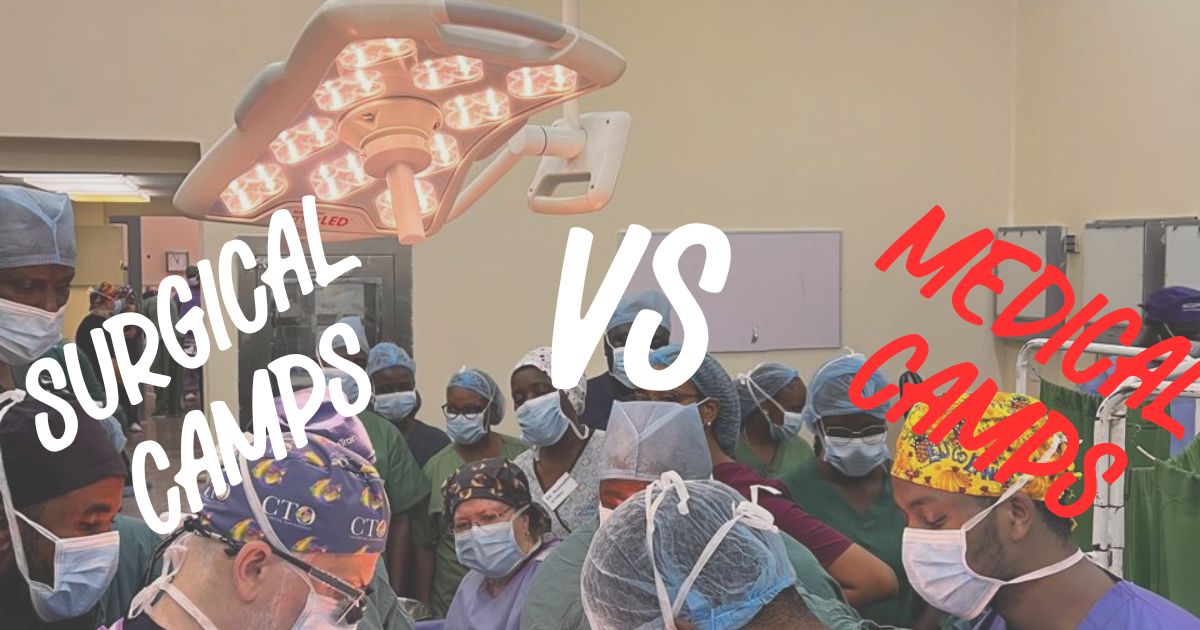

Kenya has a wide gap in access to both surgical and medical care, and one of the ways we narrow it is through camps — medical and surgical alike. This platform is the single curator of surgical camps in the country, and it is built by surgeons.
To the untrained eye, the two look like the same thing. They are not.
Here is what we think anyone organising a surgical camp should be keen on.
The Day You Operate Is Not the Day You Meet Them
The temptation is to screen in the morning and operate in the afternoon. The team has travelled far and the days are few.
Resist it. See your patients before the day you operate on them.
A proper pre-operative review finds the uncontrolled diabetic, the anaemia that needs correcting, the murmur that changes the anaesthetic plan, the patient whose problem is not surgical at all. It also gives consent room to breathe — someone deciding on an operation in a corridor twenty minutes beforehand is not really consenting.
People cite the exception: an established team that has worked together for years and can compress the timeline safely. Even then, they see their patients first. Experience buys speed everywhere else, not permission to skip the clinic.
The Camp Does Not End When the List Does
Sutures come out after you have left. Wounds are reviewed at day seven. Histology returns in two or three weeks, and someone has to read it, act on it, and find the patient again.
Complications tend to arrive once the team has dispersed.
Design the follow-up before the camp, not after it. Name the clinician who will review these patients. Agree the date and the venue. Send every patient home with a written record of their operation — the note matters far more when the surgeon is three counties away. Decide in advance who they call if something goes wrong at night.
A camp with no follow-up plan has not finished treating anyone. It has only operated on them.
The Money Has to Exist Before the Date Does
Surgery has a hard cost floor that a medical camp does not: consumables, sutures, implants, anaesthetic drugs, oxygen, sterilisation, theatre time, ward beds, staff overtime. It scales with every case, and the expensive cases are usually the ones patients need most.
Secure the funding before you announce the dates.
A camp that is cancelled, or that runs out of consumables mid-list, costs patients more than one that was never advertised. They have travelled, found transport money, taken leave, and prepared themselves for an operation. Budget for more cases than you plan to do, and count the follow-up inside that budget.
Choose Operations the Hospital Can Actually Support
The question is not only whether you can perform the operation. It is whether this hospital can carry the patient through the week that follows.
Walk the facility first. Is there a high dependency or ICU bed if one becomes necessary — and if not, which operations does that rule out? Is blood available and cross-matched in time? Can sterile processing turn instruments around fast enough to keep a list moving? Is there a physiotherapist, if your patients will not recover well without one? What imaging is on site, and what is only in the next town?
Match ambition to capability. Eighty straightforward cases done well is worth more than one case the hospital cannot support and a fortnight of consequences for the local team.
Use the Referral Paths That Already Exist
Every hospital already has its own ways of working. Where do its histology samples go, and how long do they take? Where do its patients get physiotherapy? Which clinic reviews post-operative patients, and on which day?
Build the camp onto those routes rather than beside them. A parallel system that depends on the visiting team collapses the moment the team leaves.
The local clinicians and nurses will look after these patients for the next three months. They belong in the planning, not on the receiving end of it.
What You Are Really Committing To
A medical camp asks for a day. A surgical camp asks for a working relationship with a facility, a plan that reaches weeks past the final operation, and the discipline to take on only what you can finish.
That is not an argument for running fewer of them.
It is the reason the good ones work.
Written from experience planning and operating at surgical camps in Kenya.